
Thinking of sprucing up your dining room with a touch of modern elegance? A stylish geometric gold brass pendant light could be just the ticket. These fixtures aren’t just about illuminating your meals; they’re a statement piece, adding a contemporary, sophisticated vibe to your space. They combine the timeless appeal of brass with sharp, clean geometric designs, creating a focal point that’s both functional and beautiful.
Geometric designs have been around for ages, from ancient patterns to modernist art. In lighting, this translates to clean lines, defined shapes, and often, an open, airy feel.
More Than Just a Light Source
A good pendant light Aijolighting over your dining table isn’t just there to chase away the shadows. It’s an integral part of your room’s aesthetic. Geometric shapes, especially when crafted in gold brass, offer a unique blend of industrial chic and sophisticated glamour. They break away from traditional designs, offering something visually interesting without being overly ornate.
Creating Visual Interest
Imagine a typical dining room. Often, the table and chairs are the main event. A geometric pendant introduces a new layer of visual interest, drawing the eye upwards and adding depth to the room. The interplay of light and shadow through its open framework can also cast intriguing patterns on your ceiling and walls, creating a dynamic atmosphere.
Finding the Perfect Gold Brass Finish
Gold brass isn’t a one-size-fits-all kind of thing. There’s a spectrum of finishes, each with its own character. This choice largely dictates the overall feel of your pendant light.
Polished Brass: The Glamorous Choice
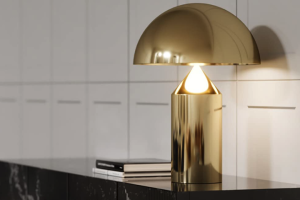
Polished brass is bright, reflective, and undeniably luxurious. It’s perfect if you’re aiming for a high-end, even opulent, look. The shine of polished brass can add a touch of formality and sophistication, reflecting light beautifully and making your dining area feel more spacious.
- When to choose it: If your dining room has a more formal aesthetic, dark wood furniture, or you simply love things that sparkle, polished brass will fit right in.
- Maintenance: Keep in mind that polished brass can show fingerprints and dust a bit more readily than other finishes, so a quick wipe down regularly is a good idea.
Brushed Brass: Understated Elegance
Brushed brass, sometimes called satin brass, has a softer, more subdued sheen. It’s still golden and warm but has a matte, textured finish that diffuses light rather than reflecting it sharply. This makes it a fantastic option for a more relaxed yet still elegant space.
- When to choose it: For a modern, minimalist, or Scandinavian-inspired dining room, brushed brass offers warmth without being overly flashy. It pairs well with lighter wood tones, concrete, and neutral color palettes.
- Durability: It tends to be a bit more forgiving with fingerprints and minor imperfections compared to its polished counterpart.
Antiqued Brass: A Touch of History
Antiqued or aged brass has a darker, more muted appearance. It’s treated to look like it has naturally aged over time, often with darker patinas in recesses. This finish brings a sense of history and warmth, perfect for a vintage or industrial-inspired space.
- When to choose it: If you’re leaning into a vintage, industrial, or even a somewhat rustic chic aesthetic, antiqued brass will feel right at home. It complements exposed brick, reclaimed wood, and deep, rich colors.
- Character: Each piece with an antiqued finish can have subtle variations, adding to its unique charm.
Key Considerations for Installation and Sizing
Getting the right size and hanging height for your pendant light is crucial for both aesthetics and functionality. A light that’s too small will look lost, while one that’s too big can overwhelm the space. Likewise, hanging it too high or too low can be awkward.
The “Sweet Spot” for Height
A general rule of thumb for dining room pendant lights is to hang them about 30-36 inches above the tabletop. This allows for clear sightlines across the table without obstructing conversation, while still providing good illumination for your meal.
- Visual Check: Sit down at your dining table after hanging the light. If it’s blocking your view of the person across from you, it’s likely too low. If it’s not casting enough light on the table surface, it might be too high.
- Ceiling Height: For rooms with very high ceilings (over 9 feet), you might need to go a few inches higher to maintain balance, but never go so high that the light becomes ineffective or looks disconnected from the table.
Sizing Up Your Pendant
The diameter or width of your pendant light should ideally be about one-half to two-thirds the width of your dining table. This proportion ensures the light feels substantial enough for the table without being overbearing.
- Long Tables: For very long dining tables, you might consider two or even three smaller geometric pendants in a row, rather than one very large one. This allows for more even light distribution and a balanced look.
- Open Framework: Geometric designs often have an open framework. This can make them appear less visually heavy than solid fixtures, so you might be able to go slightly larger than you would with a traditional, solid shade.
Professional vs. DIY Installation
While installing a pendant light might seem straightforward, it involves electrical wiring. If you’re not comfortable with electrical work, it’s always best to hire a qualified electrician.
- Safety First: Dealing with electricity can be dangerous if you’re not experienced. An electrician will ensure the fixture is safely wired and properly supported.
- Fixture Weight: Some larger pendants can be quite heavy, requiring specific mounting hardware and proper bracing in the ceiling. An electrician can assess this and ensure a secure installation.
Design Harmony: Integrating Your Geometric Pendant
A beautiful pendant light doesn’t exist in a vacuum. It needs to work with the surrounding elements of your dining room to create a cohesive and inviting space.
Complementary Styles
Geometric gold brass pendants are versatile. They can slot into various design aesthetics beyond just modern.
- Modern & Contemporary: This is their natural habitat. Clean lines, minimalist furniture, and a neutral palette will be beautifully accentuated by a geometric brass pendant.
- Mid-Century Modern: The warmth of brass and the clean lines of geometric shapes resonate well with the iconic designs of the mid-century era. Think teak wood, organic curves, and rich jewel tones.
- Industrial Chic: While brass adds a touch of refinement, the geometric structure can nod to industrial aesthetics. Pair it with exposed brick, metal accents, and raw textures for a balanced look.
- Eclectic: In an eclectic space, a geometric gold brass pendant can act as a sophisticated anchor, pulling together disparate elements with its elegant form and warm metallic finish.
Playing with Other Metals
You might wonder if you can mix metals. Absolutely! The old rule of sticking to one metal finish is largely outdated. Mixing metals thoughtfully can add depth and interest.
- Warm Tones: Gold brass pairs beautifully with other warm-toned metals like copper or rose gold, creating a rich and inviting palette.
- Cooler Accents: It can also create a striking contrast with cooler metals like matte black or brushed nickel. For example, a gold brass pendant over a dining table with matte black chair legs can look incredibly chic.
- Subtlety is Key: The trick is not to overdo it. Choose one dominant metal and use others as accents. For instance, your pendant can be the star, with smaller touches of another metal in hardware or decorative items.
The Role of Wall Color
The color of your dining room walls can dramatically impact how your gold brass pendant light appears.
- Neutrals: White, cream, and light gray walls allow the gold brass to truly pop, making it a focal point. They create a clean backdrop that highlights the fixture’s geometry and metallic shine.
- Deep Hues: Rich jewel tones like navy blue, emerald green, or even a dark charcoal can create a luxurious, dramatic backdrop for gold brass. The warmth of the brass will glow against these deeper colors, adding sophistication.
- Earthy Tones: Terracotta, sage green, or muted ochre can create a warm, inviting, and somewhat bohemian feel when paired with gold brass, especially brushed or antiqued finishes.
Lighting Beyond the Pendant: Enhancing Ambiance
While your geometric pendant light is the star, a dining room benefits from a layered lighting scheme. This means combining different types of lighting to create a flexible and inviting atmosphere for various occasions.
Dimmer Switches: Your Best Friend
This is arguably the most crucial accessory for any dining room light. A dimmer switch allows you to adjust the brightness, transforming the mood of your room in an instant.
- Bright for Tasks: When you’re setting the table, cleaning up, or perhaps working on a puzzle after dinner, you’ll appreciate full brightness.
- Soft for Ambiance: For intimate dinners, entertaining guests, or simply enjoying a quiet meal, dimming the pendant light creates a warm and inviting glow that sets the perfect mood.
Supplementary Lighting Options
Don’t rely solely on your pendant. Adding other light sources can help fill out the room and reduce harsh shadows.
- Wall Sconces: If you have walls suitable for sconces, they can provide ambient light and decorative accents. Choose sconces that echo the geometric shapes or metallic finish of your pendant, or opt for simple, understated designs to avoid visual clutter.
- Table Lamps/Buffet Lamps: If you have a buffet or console table in your dining room, a pair of elegant table lamps can add warmth and a soft glow at a different height, contributing to a layered look.
- Recessed Lighting: For overall ambient light, especially in larger rooms or those with higher ceilings, recessed lights can provide a general wash of light without being intrusive. These are typically used to supplement the pendant, not replace it.
Bulb Choice Matters
The type of bulb you use will significantly affect the quality of light.
- LED Bulbs: Energy-efficient and long-lasting, LED bulbs are usually the best choice. Look for “dimmable” LEDs if you’re using a dimmer switch.
- Color Temperature: For dining rooms, a “warm white” (around 2700K-3000K) or “soft white” bulb is generally preferred. This color temperature creates a cozy, inviting atmosphere that makes food look more appealing and people look better. “Cool white” bulbs (4000K and above) tend to be too stark for a dining space.
- Filament Bulbs (LED): If your geometric pendant has open lamp holders, visible filament bulbs (often LED versions) can add a charming, industrial-vintage touch. They emit a warm, inviting glow and can be a decorative element in themselves.
In short, a geometric gold brass pendant light isn’t just a trend; it’s a timeless choice that brings modern sophistication and a touch of warmth to your dining room. By considering the finish, size, placement, and how it integrates with your overall decor and lighting plan, you can create a truly stunning and functional focal point in your home.