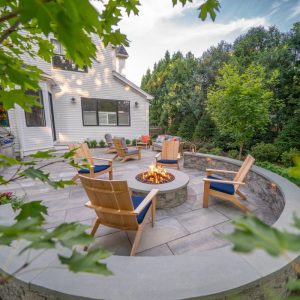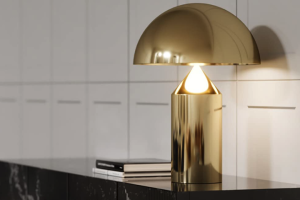

Thinking about adding some pizzazz to your garden? Waterproof wall lights are a fantastic way to do it. Not only do they create a beautiful ambiance, but they also boost security and make your outdoor space more functional for those evening gatherings. You get light where you need it, come rain or shine, and your garden transforms from a dark void into an inviting extension of your home.
First off, let’s talk about the ‘waterproof’ part. This isn’t just a fancy marketing term; it’s essential for anything operating outdoors. Rain, sprinklers, morning dew – your outdoor lights are constantly exposed to moisture. Choosing lights Lamolighting specifically designed to be waterproof means they’ll last longer, perform reliably, and you won’t be dealing with electrical issues or premature replacements. It’s about peace of mind and saving money in the long run.
Enhancing Ambiance and Mood
One of the most immediate benefits of wall lights is how they transform the feel of your garden. Strategic lighting can highlight key features, create intriguing shadows, and make your space feel more intimate and welcoming.
- Soft Glow for Relaxation: Think about those warm summer evenings. A soft, diffuse light from wall-mounted fixtures can turn a patio or deck into a truly relaxing retreat, perfect for unwinding after a long day. It’s about creating a gentle invitation, not a harsh interrogation.
- Highlighting Features: Do you have a beautiful climbing rose, an interesting piece of garden art, or a textured stone wall? Wall lights can artfully illuminate these elements, drawing the eye and adding depth to your landscape, even after the sun goes down.
Boosting Security and Safety
Beyond the aesthetics, outdoor lighting plays a crucial role in making your home safer. A well-lit garden is a less inviting target for unwanted visitors.
- Deterring Intruders: A brightly lit perimeter or entrance is often enough to make potential intruders think twice. They prefer to operate under the cover of darkness. Visible, reliable lighting acts as a simple yet effective deterrent.
- Preventing Accidents: Uneven paths, steps, and garden obstacles can be trip hazards in the dark. Wall lights positioned strategically along walkways, around steps, or near changes in elevation ensure clear visibility, reducing the risk of falls and making your garden accessible after sunset. Imagine navigating your garden after dark without tripping – that’s the safety waterproof wall lights offer.
- Clear Entryways: Illuminating your front door or gate is not just about making it easy to find your keys. It also provides a sense of security when arriving home late and ensures that guests can safely approach your house.
Extending Usable Outdoor Space
Your garden isn’t just for daytime anymore. With proper lighting, it becomes an extension of your living area, available for use even after the sun goes down.
- Evening Entertainment: Hosting a BBQ, a dinner party, or just enjoying a quiet evening drink? Well-placed wall lights around your patio, deck, or outdoor dining area make these activities comfortable and enjoyable. No more fumbling in the dark for your plate or guessing where your drink is.
- Functional Pathways: If you have pathways winding through your garden, wall lights can guide the way, making it easy to move between different areas of your outdoor space, whether you’re heading to a shed or another seating area. It means your garden remains fully functional, not just a patch of darkness.
Choosing the Right Waterproof Wall Lights
Alright, you’re sold on the idea. Now comes the practical part: how do you pick the right ones? There are quite a few options out there, so let’s break down what to look for.
Understanding IP Ratings
This is probably the most important technical bit when it comes to waterproof lights. The Ingress Protection (IP) rating tells you how well a fixture is protected against solids (like dust) and liquids (like water). It’s typically shown as “IPXX” where the first X is for solids and the second X is for liquids.
- IP44 (Splash Proof): Good for sheltered outdoor areas, like under an awning or a porch, where direct heavy rain isn’t common but splashes might occur. Think of outdoor wall lights that are protected from light drizzle.
- IP65 (Water Jet Proof): A solid choice for most outdoor applications. These lights can handle direct exposure to rain and even powerful water jets, so they’re suitable for open walls, fences, or exposed areas. This is your go-to for general garden use.
- IP67/IP68 (Submersible): If you’re thinking about lights for a pond, water feature, or in-ground, then you’d be looking at these higher ratings. For wall lights, IP65 is generally more than sufficient.
Power Source Options
How will your lights get their juice? This largely depends on your installation capabilities and desire for flexibility.
- Mains Powered: These are wired directly into your home’s electrical system. They offer consistent, powerful light and you never have to worry about batteries. However, installation usually requires an electrician to ensure safety and compliance with building codes. This option is best for permanent, bright lighting solutions.
- Solar Powered: Environmentally friendly and super easy to install, as they don’t require any wiring. They charge during the day and automatically turn on at dusk. The downside? Their performance can be impacted by cloudy weather, and they might not be as bright or last as long through the night as mains-powered options. Consider them for accent lighting or areas where running cables is impractical.
- Battery Powered: Less common for permanent wall lights, but available for smaller, temporary, or accent lights. They offer complete flexibility in placement but require regular battery changes or recharging. Think of these as more supplemental or decorative options rather than primary lighting.
Light Direction and Beam Angle
How the light spreads from the fixture makes a huge difference to the effect it creates.
- Up/Down Lights: These project light both upwards and downwards, creating a dramatic, architectural effect on a wall. Great for highlighting textured surfaces or adding a modern touch. They create interesting patterns and can make your walls look more substantial.
- Downward-Facing Lights: Ideal for illuminating paths, steps, or entrances directly below the fixture. They minimize glare by directing light downwards, making them practical for functional lighting.
- Ambient Wash Lights: These cast a broad, diffused light across a wider area, creating a general glow rather than a focused beam. Perfect for creating a softer, overall ambiance on a larger wall or patio.
- Spotlights (Wall-Mounted): While many spotlights are ground-mounted, wall-mounted versions allow you to precisely aim light at specific plants, sculptures, or architectural details from a higher vantage point.
Lumens and Color Temperature
Don’t just pick based on how bright they look in the store; understand the actual light output.
- Lumens (Brightness): This is the measure of total visible light from a source. For ambient lighting, you might want lower lumens (e.g., 100-300 lumens per fixture). For pathway or security lighting, you might need a bit more (e.g., 300-700 lumens). It depends on the size of the area and how much light you truly need. Don’t overdo it; too much light can be jarring.
- Color Temperature (Kelvin): This describes the ‘warmth’ or ‘coolness’ of the light.
- Warm White (2700K-3000K): Creates a cozy, inviting, and traditional feel, similar to incandescent bulbs. Ideal for relaxation areas, patios, and highlighting natural stone or wood.
- Neutral White (3500K-4500K): A balanced light that’s good for general task lighting or if you want a cleaner, more modern look.
- Cool White (5000K-6500K): Brighter and more clinical, often used for security lighting emphasis or areas where you need high visibility. Avoid using overly cool white in relaxation spaces, as it can feel harsh.
Installation Tips for Longevity and Safety
Getting your waterproof wall lights installed correctly isn’t just about making them look good; it’s about making them last and keeping everyone safe.
Plan Your Layout First
Before you start drilling, spend some time planning where each light will go.
- Mark Positions: Use temporary markers (like tape or chalk) during the day and then observe the effect at night with a strong flashlight. This will give you a better idea of how the light will spread and what impact it will have.
- Consider Purpose: Are you lighting a path, highlighting a feature, or providing general ambiance? The purpose dictates the placement. Path lights should be evenly spaced and low enough to illuminate the walking surface without blinding. Accent lights might be closer to the feature they’re highlighting.
- Avoid Glare: Position lights so they illuminate objects or surfaces rather than shining directly into people’s eyes. This is particularly important for pathway lighting or lights near seating areas. You want to see the effect, not the source.
Electrical Safety (Mains Powered)
When dealing with mains electricity outdoors, safety is paramount. If you’re not comfortable or experienced, hire a qualified electrician.
- RCD Protection: Ensure your outdoor circuit is protected by a Residual Current Device (RCD). This device can quickly cut off electricity if there’s a fault, preventing electric shock. It’s a literal life-saver.
- Proper Wiring & Connections: All wiring should be suitable for outdoor use (e.g., armoured cable or run through conduit) and all connections must be waterproofed to the appropriate IP rating of the fixture itself. No exposed wires or shoddy taping allowed. Water and electricity are not a friendly combination.
- Conduit and Junction Boxes: Protect cables from physical damage and moisture by running them through appropriate outdoor-rated conduit, especially if they are exposed. Use weather-resistant junction boxes for any splices or connections.
Mounting and Sealing
The way you mount the light and seal around it makes a big difference to its longevity.
- Secure Mounting: Use appropriate fasteners for the wall material (e.g., masonry anchors for brick, wood screws for siding). Make sure the fixture is firmly attached and cannot wobble. A loose fixture will eventually compromise its seal.
- Seal Gaps: Even with a waterproof fixture, water can still seep behind it if there are gaps between the fixture and the wall surface. Use an outdoor-rated silicone sealant around the edge of the fixture base where it meets the wall. This redirects water away and prevents it from getting into the wiring cavity.
- Avoid Low-Lying Areas: Where possible, avoid mounting lights too close to the ground in areas prone to standing water or splash-back from heavy rain. This further protects the fixture from constant immersion or excessive moisture exposure.
Maximizing the Impact of Your Garden Lighting
Once your lights are installed, there’s more you can do to get the most out of them. It’s about combining functionality with aesthetic flair.
Layering Light for Depth
Don’t just rely on uniform brightness. Think about creating different layers of light.
- Ambient Layer: This is your general, soft glow from your wall lights, providing overall illumination. It sets the mood.
- Task Layer: Brighter, more focused light where you need to perform activities, like over an outdoor BBQ or dining area.
- Accent Layer: Spotlighting specific features like a fountain, a beloved tree, or a piece of art. This adds drama and interest.
- Path Layer: Low-level lighting designed to safely guide movement.
By combining these, you create a rich, inviting, and functional garden space that feels much larger and more thoughtfully designed.
Incorporating Smart Features
Technology can make your garden lighting even more convenient and versatile.
- Dimmers: Crucial for adjusting the mood. A bright light for a party can be dimmed down to a gentle glow for a romantic evening. Dimmers offer control and flexibility.
- Timers and Sensors: Automate your lighting. Timers ensure lights come on and go off at specific times, saving energy. Motion sensors are fantastic for security lighting, turning on only when someone approaches, deterring potential intruders, and conserving power.
- Smart Control (Wi-Fi/Bluetooth): Many modern lights can be controlled via an app on your phone. This allows you to change brightness, color (if RGBW), and set schedules from anywhere, even inside your house. It adds a level of sophistication and convenience.
Maintenance for Lasting Brilliance
Waterproof doesn’t mean maintenance-free. A little care goes a long way.
- Regular Cleaning: Dust, dirt, cobwebs, and even moss can accumulate on outdoor lights, reducing their brightness and potentially causing overheating. A quick wipe down with a damp cloth a few times a year will keep them looking and performing their best.
- Check Seals: Periodically inspect the silicone seals around the base of your fixtures. Over time, UV exposure and weather can degrade them. If you see cracks or deterioration, reapply sealant to maintain the waterproof integrity.
- Bulb Replacement (if applicable): While LEDs have a long lifespan, incandescent or halogen bulbs will eventually need replacing. Always use the correct wattage and type of bulb specified by the manufacturer. For solar lights, battery replacement may be necessary every few years to maintain performance.
By taking these steps, your waterproof wall lights will not only enhance your garden’s beauty and functionality but also stand the test of time, providing years of reliable outdoor illumination. It’s an investment that pays off in atmosphere, safety, and extended enjoyment of your home.