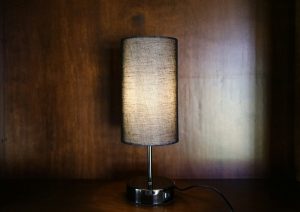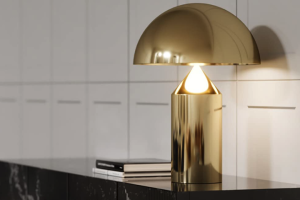

The history of European minimalist lamp design can be traced back to the early 20th century, a period marked by significant shifts in art and architecture. The Bauhaus movement, which emerged in Germany, played a pivotal role in shaping minimalist aesthetics. Founded by Walter Gropius in 1919, the Bauhaus school emphasized functionality and simplicity, advocating for designs that stripped away unnecessary ornamentation. This philosophy extended to lighting, where lamps were designed to serve their purpose without superfluous details. The influence of Bauhaus can still be seen in contemporary minimalist lamp designs, which prioritize clean lines and practical forms.
As the decades progressed, minimalist design continued to evolve across Europe. The post-World War II era saw a surge in modernist architecture and design, with luminaries such as Arne Jacobsen and Louis Poulsen contributing to the field. Their work often featured innovative materials and techniques, reflecting a desire to create functional yet aesthetically pleasing objects. The Scandinavian design movement, in particular, emphasized simplicity and natural materials, further solidifying the minimalist approach in lamp design. By the late 20th century, minimalist lamps Stickstory had become synonymous with modern living spaces, embodying a sense of calm and order that resonated with many homeowners.
Characteristics of European Minimalist Lamp Design
European minimalist lamp design is characterized by its emphasis on simplicity and functionality. The forms are often geometric, featuring clean lines and a lack of excessive ornamentation. This approach allows the lamps to blend seamlessly into various environments while still making a statement. Materials commonly used include metal, glass, and wood, which are chosen for their durability and aesthetic appeal. The focus on high-quality materials ensures that these lamps not only look good but also stand the test of time.
Another defining characteristic is the thoughtful use of light. European minimalist lamps often employ innovative lighting technologies that enhance their functionality. For instance, many designs incorporate adjustable features that allow users to direct light where it is needed most. This practical consideration is paired with an understanding of how light interacts with space, creating an atmosphere that is both inviting and efficient. The result is a harmonious balance between form and function, where each element serves a purpose while contributing to the overall aesthetic.
How European Minimalist Lamp Design Fits into Contemporary Home Decor
In contemporary home decor, European minimalist lamp design has found a prominent place due to its versatility and understated elegance. These lamps can complement a wide range of interior styles, from industrial lofts to cozy Scandinavian homes. Their ability to blend into various settings makes them an ideal choice for homeowners looking to create a cohesive look without overwhelming their space. The simplicity of these designs allows them to serve as focal points or subtle accents, depending on the desired effect.
Moreover, the neutral color palettes often associated with minimalist lamps enhance their adaptability. Shades of white, black, and metallic finishes can easily integrate into existing decor schemes without clashing with other elements. This quality makes European minimalist lamps particularly appealing for those who frequently update their interiors or prefer a more fluid approach to decorating. As trends shift towards more open and airy spaces, the clean lines and unobtrusive nature of these lamps continue to resonate with modern sensibilities.
The Versatility of European Minimalist Lamp Design
The versatility of European minimalist lamp design extends beyond aesthetics; it also encompasses functionality and placement options. These lamps can be used in various settings, including living rooms, bedrooms, offices, and even outdoor spaces. Their designs often allow for multiple uses—such as task lighting for reading or ambient lighting for relaxation—making them suitable for different activities throughout the day. This adaptability is particularly valuable in smaller homes or apartments where space is at a premium.
Additionally, many European minimalist lamps are designed with mobility in mind. Portable options allow users to easily reposition lighting as needed, whether for a cozy reading nook or a bright workspace. This flexibility encourages homeowners to experiment with their lighting arrangements, fostering a dynamic living environment that can change according to mood or occasion. As such, European minimalist lamps not only serve practical purposes but also contribute to a more personalized home experience.
European Minimalist Lamp Design: A Sustainable Choice for Your Home
Sustainability has become an increasingly important consideration in design, and European minimalist lamp design aligns well with this ethos. Many designers prioritize eco-friendly materials and production methods, ensuring that their products have a minimal environmental impact. For instance, lamps made from sustainably sourced wood or recycled metals reflect a commitment to responsible manufacturing practices. This focus on sustainability appeals to consumers who are conscious of their ecological footprint.
Furthermore, the durability of minimalist lamps contributes to their sustainability. By investing in high-quality designs that are built to last, homeowners can reduce waste associated with frequently replacing inferior products. Many minimalist lamps also utilize energy-efficient lighting technologies, such as LED bulbs, which consume less energy and have longer lifespans compared to traditional incandescent bulbs. This combination of thoughtful design and sustainable practices makes European minimalist lamps an attractive choice for environmentally aware consumers.
Tips for Incorporating European Minimalist Lamp Design into Your Home
Incorporating European minimalist lamp design into your home can enhance both functionality and aesthetics. One effective approach is to consider the scale of your space when selecting lamps. Larger rooms may benefit from statement pieces that draw the eye, while smaller areas might require more compact designs that provide adequate lighting without overwhelming the space. Additionally, layering different types of lighting—such as floor lamps, table lamps, and wall sconces—can create a balanced atmosphere that highlights the beauty of minimalist designs.
Another tip is to pay attention to color schemes and materials when choosing lamps. Opting for neutral tones or metallic finishes can help ensure that your lamps harmonize with existing decor while still making an impact. Mixing materials—such as pairing a sleek metal lamp with wooden furniture—can add depth and interest to your interior design. Finally, consider the placement of your lamps carefully; positioning them near seating areas or workspaces can enhance their functionality while also contributing to the overall flow of your home.
Where to Find European Minimalist Lamp Designs
Finding European minimalist lamp designs has become increasingly accessible due to the rise of online retailers and specialized boutiques. Many well-known brands offer collections that feature iconic minimalist designs alongside contemporary interpretations. Websites dedicated to modern furniture and home decor often showcase a range of options from various designers, allowing consumers to explore different styles and price points from the comfort of their homes.
In addition to online shopping, visiting local design stores or galleries can provide opportunities to see these lamps in person before making a purchase. Many cities have showrooms that focus on modern design, where customers can experience the quality and craftsmanship firsthand. Attending design fairs or exhibitions can also be beneficial for discovering emerging designers who are pushing the boundaries of minimalist lamp design while staying true to its core principles.
The Timeless Appeal of European Minimalist Lamp Design
The timeless appeal of European minimalist lamp design lies in its ability to transcend trends while remaining relevant across generations. The principles of simplicity and functionality resonate with consumers seeking both beauty and practicality in their home decor choices. As lifestyles evolve and spaces become more fluid, the enduring nature of minimalist design ensures that these lamps will continue to find their place in contemporary interiors.
Moreover, the aesthetic qualities inherent in minimalist lamp design foster a sense of calm and order within living spaces. In an age characterized by information overload and visual clutter, these designs offer a respite through their clean lines and understated elegance. As such, European minimalist lamps not only illuminate physical spaces but also contribute to creating environments that promote well-being and tranquility—a quality that will likely remain valued for years to come.