Corridor lighting plays a pivotal role in both residential and commercial spaces, serving not only as a functional necessity but also as a design element that can significantly influence the ambiance of a space. The primary function of corridor lighting is to ensure visibility and safety as individuals navigate through these often narrow and elongated areas. Poorly lit corridors can lead to accidents, such as trips and falls, particularly in high-traffic environments like hospitals, schools, and office buildings.
Adequate lighting helps to illuminate potential hazards, guiding occupants safely from one area to another. Beyond safety, corridor lighting contributes to the overall aesthetic of a space. It can enhance architectural features, highlight artwork, or create a sense of continuity throughout a building.
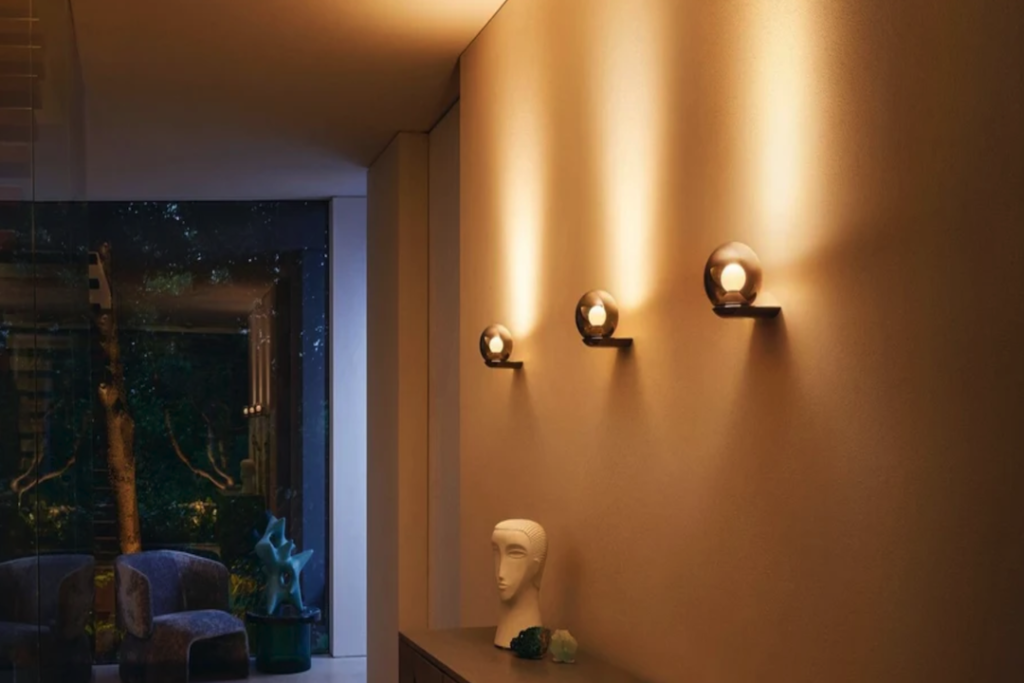
For instance, strategically placed wall lamps Munilo can draw attention to textured walls or decorative elements, transforming a mundane corridor into an engaging passageway. The choice of lighting fixtures, their brightness, and the color temperature can evoke different moods; warm light can create a welcoming atmosphere, while cooler tones may lend a more modern and clinical feel. Thus, understanding the importance of corridor lighting encompasses both its practical applications and its potential to enhance the visual appeal of a space.
Choosing the Right Wall Lamps for Your Corridor
Selecting the appropriate wall lamps for a corridor involves considering several factors, including the size of the space, the existing decor, and the intended atmosphere. Wall lamps come in various styles, from sleek modern designs to more traditional fixtures, allowing homeowners and designers to find options that complement their overall aesthetic. For narrow corridors, wall-mounted sconces are often ideal as they save floor space while providing adequate illumination.
In contrast, larger corridors may benefit from more substantial fixtures that can serve as focal points. Another critical aspect to consider is the type of light bulb used in the wall lamps. LED bulbs are increasingly popular due to their energy efficiency and longevity.
They produce less heat compared to incandescent bulbs, making them safer for enclosed spaces. Additionally, LEDs are available in various color temperatures, allowing for customization based on the desired ambiance. For example, a warm white LED can create a cozy environment, while a daylight LED may be more suitable for a contemporary office corridor.
Ultimately, the right wall lamps should not only fulfill functional requirements but also align with the stylistic vision for the corridor.
Placement and Installation Tips for Corridor Wall Lamps
The placement of wall lamps in a corridor is crucial for maximizing their effectiveness and aesthetic appeal. A common guideline is to install wall sconces at eye level, typically around 60 to 66 inches from the floor. This height ensures that the light is directed where it is most needed while minimizing glare for those passing by.
In longer corridors, spacing the fixtures evenly can create a uniform look and provide consistent illumination throughout the passageway. For instance, placing sconces every six to eight feet can help maintain an inviting glow without creating dark spots. When it comes to installation, ensuring that electrical wiring is safely managed is paramount.
If you are not experienced with electrical work, hiring a professional electrician is advisable to avoid potential hazards. Additionally, consider using dimmable wall lamps or those with adjustable heads to allow for flexibility in lighting levels based on time of day or specific activities taking place in adjacent rooms. Proper installation not only enhances functionality but also contributes to the longevity of the fixtures.
Creating a Cozy and Inviting Atmosphere with Corridor Lighting
To foster a cozy and inviting atmosphere in a corridor, layering different types of lighting can be particularly effective. Combining wall lamps with ambient lighting sources such as ceiling fixtures or recessed lights can create depth and warmth. For example, using wall sconces with warm-toned bulbs alongside a soft overhead light can produce a balanced illumination that feels welcoming rather than harsh or clinical.
Additionally, incorporating decorative elements such as mirrors or artwork can reflect light and enhance the overall ambiance. Color temperature plays a significant role in setting the mood within a corridor. Warmer light (around 2700K to 3000K) tends to evoke feelings of comfort and relaxation, making it ideal for residential spaces where family members gather.
In contrast, cooler light (above 4000K) may be more appropriate for commercial settings where focus and productivity are prioritized. By thoughtfully selecting both the type of light fixtures and their corresponding bulbs, one can create an inviting corridor that encourages movement and interaction.
Incorporating Smart and Energy-Efficient Features in Corridor Wall Lamps
The integration of smart technology into corridor wall lamps has revolutionized how we approach lighting design. Smart wall lamps can be controlled via smartphone apps or voice-activated devices, allowing users to adjust brightness levels or change color temperatures with ease. This level of control not only enhances convenience but also promotes energy efficiency by enabling users to turn off lights remotely or set schedules for when lights should be on or off.
Energy-efficient features are increasingly important in today’s environmentally conscious society. Many modern wall lamps are designed with energy-saving technologies such as LED bulbs or solar-powered options for outdoor corridors. These innovations not only reduce electricity consumption but also lower utility bills over time.
Furthermore, some smart lighting systems offer features like motion sensors that automatically turn lights on when someone enters the corridor and off when they leave, further optimizing energy use while maintaining safety.
Using Dimmers and Timers to Customize Corridor Lighting
Dimmers and timers are invaluable tools for customizing corridor lighting according to specific needs and preferences. Dimmers allow users to adjust the brightness of wall lamps based on the time of day or activity taking place in adjacent rooms. For instance, during daytime hours when natural light is abundant, lower brightness levels may suffice; however, in the evening or during gatherings, brighter settings can enhance visibility and create an inviting atmosphere.
Timers add another layer of convenience by automating lighting schedules. Homeowners can program their corridor lights to turn on at dusk and off at dawn or set specific times for when lights should be illuminated during the night for security purposes. This feature is particularly beneficial in larger homes or commercial buildings where corridors may not be frequently traversed after hours.
By utilizing dimmers and timers effectively, one can achieve a dynamic lighting environment that adapts seamlessly to various situations.
Maintenance and Care for Corridor Wall Lamps
Proper maintenance and care for corridor wall lamps are essential for ensuring their longevity and optimal performance. Regular cleaning is necessary to prevent dust accumulation that can diminish light output and affect the overall appearance of the fixtures. Depending on the material of the lamp—be it metal, glass, or plastic—different cleaning methods may be required.
For instance, glass shades may benefit from gentle glass cleaner and microfiber cloths to avoid scratches, while metal fixtures might require a damp cloth followed by drying to prevent water spots. Additionally, periodic checks on electrical components are crucial for safety reasons. Inspecting wiring for signs of wear or damage can prevent potential hazards such as short circuits or electrical fires.
Replacing burnt-out bulbs promptly not only maintains consistent illumination but also ensures that other components do not become overworked due to uneven lighting conditions. By establishing a routine maintenance schedule, homeowners can keep their corridor wall lamps functioning effectively while enhancing their aesthetic appeal.
Enhancing Safety and Security with Corridor Lighting
Effective corridor lighting is integral to enhancing safety and security within any building. Well-lit corridors deter criminal activity by increasing visibility and reducing hiding spots for potential intruders. In commercial settings such as offices or retail spaces, bright lighting can make employees and customers feel more secure as they navigate through hallways after hours.
Installing motion-sensor lights in less frequented areas can further bolster security by ensuring that lights activate when movement is detected. In residential settings, corridor lighting serves as an essential safety feature for family members returning home at night. Illuminated pathways help prevent accidents caused by tripping over furniture or other obstacles that may be present in darkened areas.
Additionally, incorporating features such as illuminated house numbers or pathway lights leading up to entrances can enhance visibility for guests arriving after dark. By prioritizing safety through thoughtful corridor lighting design, homeowners can create an environment that feels secure and welcoming for all who enter.