Introduction
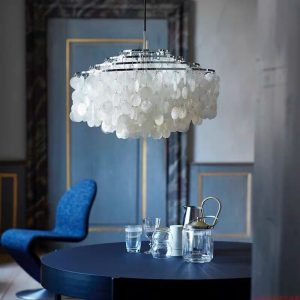
Suspension lights, also known as pendant lights, have been around for centuries. These lights are typically hung from the ceiling and can vary in shape, size, and style. They have become increasingly popular in recent times due to their versatility, functionality, and aesthetic appeal. In this article, we will explore the evolution of suspension lights, their different types, and the benefits and drawbacks of each.
A Brief History of Suspension Lights
The origins of suspension lights can be traced back to Medieval Europe. This era saw the emergence of chandeliers, which were initially used only by the wealthy elite. These early chandeliers were made of wood or iron and were adorned with candles or oil lamps. In the following centuries, chandeliers became more elaborate and ornate, often incorporating crystals and other precious materials.
In the 20th century, suspension lights became more accessible to the masses with the invention of electricity. The Art Deco movement in the 1920s brought about a new era of modern suspension lights that focused on sleek lines and geometric shapes. Today, suspension lights come in many different styles, from traditional to contemporary, and are used in homes, offices, restaurants, and other commercial spaces.
The Different Types of Suspension Lights
There are several types of suspension lights that are commonly used today:
Downlights
Downlights, also known as recessed lights, are installed into the ceiling and are used to direct light downwards. These lights are popular in modern homes and offices as they provide a clean and unobtrusive lighting source.
Uplights
Uplights, on the other hand, point upwards and are used to illuminate ceilings and walls. These lights create a warm and inviting atmosphere and are often used in restaurants and other commercial spaces.
Multi-Light Pendants
Multi-light pendants are suspended lights that have more than one source of light. They are popular in dining rooms and kitchens and can add a touch of elegance to any space.
Drum Pendants
Drum pendants are suspension lights that have a cylindrical or drum-shaped shade. They are versatile and can be used in a variety of settings, from modern to traditional.
The Benefits and Drawbacks of Suspension Lights
Suspension lights have several benefits that make them a popular lighting choice:
Flexibility
Suspension lights can be hung at any height, making them ideal for rooms with high or low ceilings. They can also be used in a variety of spaces, from small rooms to large open plan areas.
Aesthetics
Suspension lights are available in a wide range of styles, shapes, and sizes. They can add a touch of elegance, sophistication, or fun to any room.
Functionality
Suspension lights can be used to provide ambient, task, or accent lighting. They are ideal for dining rooms, kitchens, living rooms, and bedrooms.
However, there are also some drawbacks to suspension lights:
Installation
Installing suspension lights can be challenging, especially if you have high ceilings, limited wiring, or an uneven surface.
Maintenance
Suspension lights can be difficult to clean, especially if they have intricate designs or are made of delicate materials.
Cost
Suspension lights can be expensive, especially if they are made of precious materials or are custom-made.
Conclusion
Suspension lights are a versatile and stylish lighting option that can add a touch of elegance to any room. With a wide range of styles and types to choose from, there is a suspension light for every taste and budget. Whether you are looking for functionality, aesthetics, or flexibility, suspension lights are a lighting option that should not be overlooked.