When it comes to setting up a comfortable and enjoyable environment for watching TV, lighting is key. Poor lighting can cause eyestrain, have a negative effect on the quality of the picture, and even affect your mood. In this article, we’ll discuss how to illuminate your TV room for optimal enjoyment.
Understanding Lighting Basics
Before we delve into the specifics of lighting a TV room, it’s important to understand some basics about lighting. There are three main types of lighting: ambient, task, and accent. Ambient lighting is the overall lighting in the room, providing a general level of brightness. Task lighting is focused lighting, such as a reading lamp, that helps you see what you’re doing. Finally, accent lighting adds visual interest to a room, highlighting specific features or objects.
For a TV room, ambient lighting is crucial for creating a comfortable environment. This type of lighting should be soft and even, without any harsh shadows or glare that may affect the picture quality. Task lighting can be helpful for additional activities such as reading or playing games, while accent lighting can be used to highlight decorative elements in the room.
Choosing the Right Light Bulbs
The type of light bulbs you use can greatly impact the quality of lighting in your TV room. First and foremost, make sure to choose bulbs that produce a warm, yellowish light rather than a cool, bluish light. This will make the environment feel more cozy and relaxing, helping you enjoy your viewing experience.
In addition, consider using dimmer switches for your overhead lights. This will allow you to adjust the brightness of the room to your liking and create a more comfortable viewing experience. When choosing accent lighting, look for LED bulbs that produce a focused beam of light to highlight specific features in the room.
Positioning Your Lights
The placement of your lights is just as important as the bulbs themselves. When positioning your lights, keep in mind that your TV should be the focal point of the room, and the lighting should enhance your viewing experience rather than detract from it.
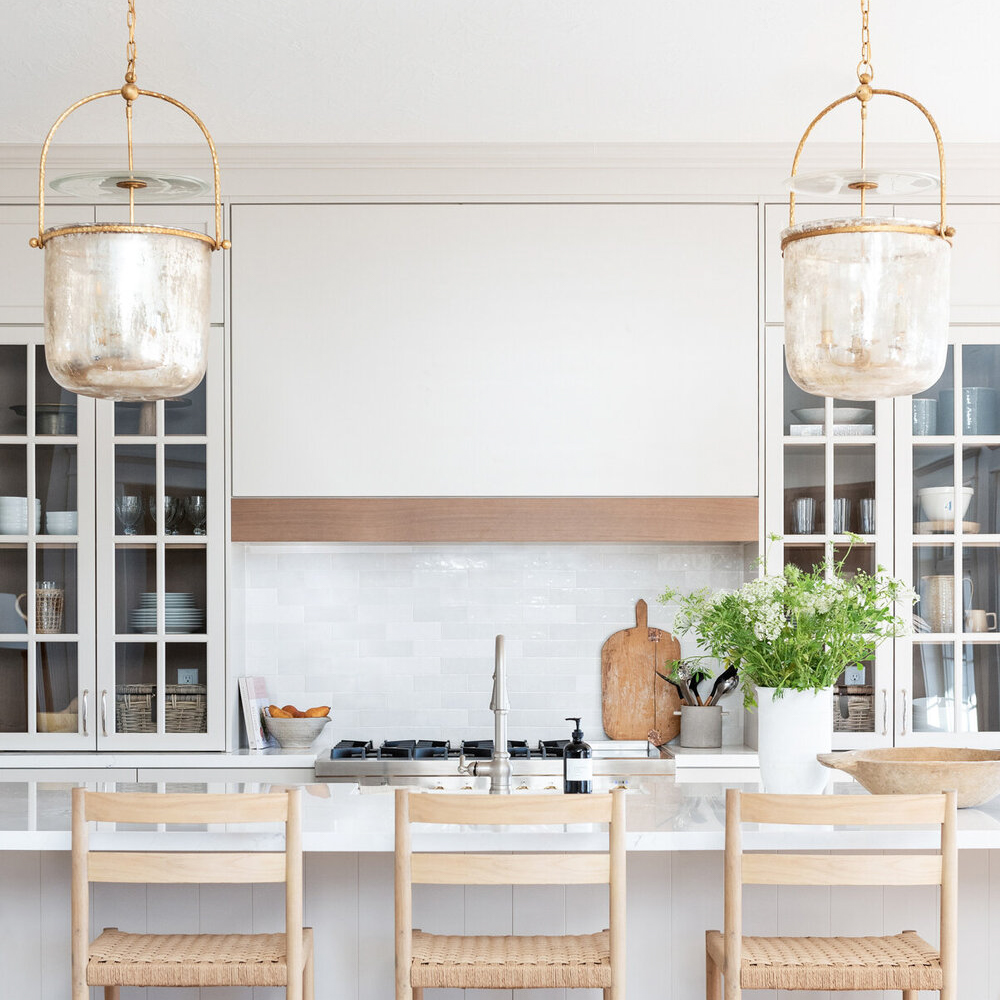
Ambient lighting should be positioned so that it evenly fills the room without creating any harsh shadows. This can be accomplished with overhead lighting fixtures, such as a chandelier or ceiling fan with built-in lights. Placing lamps in corners or behind furniture can also help create a warm and inviting atmosphere.
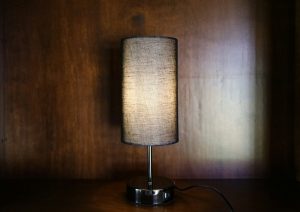
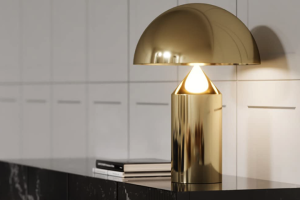
Task lighting should be positioned in a way that allows you to comfortably read or do other activities without adding any glare to your TV screen. This can be accomplished with table lamps or freestanding floor lamps with adjustable heads.
Finally, accent lighting should be used to highlight specific features in the room, such as artwork or decorative objects. This type of lighting can be directed onto the feature or placed below it to create a dramatic effect.
Proper lighting is crucial for creating a comfortable and enjoyable viewing environment in your TV room. By choosing the right light bulbs, positioning your lights correctly, and understanding the basics of lighting, you can create a space that enhances your viewing experience and allows you to fully immerse yourself in your favorite shows and movies.