
Introduction
Scandinavian cuisine, also known as Nordic cuisine, has been gaining popularity in recent years due to its unique flavors, fresh ingredients, and minimalistic presentation. The Nordic food culture is all about sustainability, seasonality, and simple yet flavorful ingredients. In this article, we will explore the art of Scandinavian kitchen and its unique characteristics that have made it so popular worldwide.
History of Scandinavian Cuisine
The Scandinavian countries consist of Denmark, Norway, Sweden, Finland, and Iceland. Historically, these countries were known for their fishing and farming lifestyles, and their food culture reflected the abundance of fresh seafood and locally grown produce. The Vikings, who were known for their exploratory voyages, also had an influence on the Scandinavian cuisine, as they brought spices from the Middle East and Asia to the region.
Traditional Scandinavian Dishes
Scandinavian food is known for its simplicity and freshness. Here are some of the traditional dishes that are popular in the region:
- Smørrebrød (Denmark): An open-faced sandwich, usually served with fish or meat, cheese, and vegetables.
- Fårikål (Norway): A lamb stew with cabbage and potatoes, often served during the autumn months.
- Köttbullar (Sweden): Meatballs served with lingonberry jam, potatoes, and gravy.
- Ruisleipä (Finland): A type of rye bread, often served with butter and cheese.
- Hákarl (Iceland): A fermented shark dish, which is considered a delicacy in Iceland.
Modern Scandinavian Cuisine
In recent years, Nordic cuisine has undergone a transformation, with chefs experimenting with modern cooking techniques, fusion flavors, and innovative presentations. This new trend, often referred to as New Nordic cuisine, focuses on using locally sourced and seasonal ingredients in creative ways. The culinary philosophy of New Nordic cuisine is centered around sustainability, simplicity, and purity, and its proponents are trying to bridge the gap between tradition and modernity in Scandinavian food culture.
Scandinavian Kitchen Art: The Art of Presentation
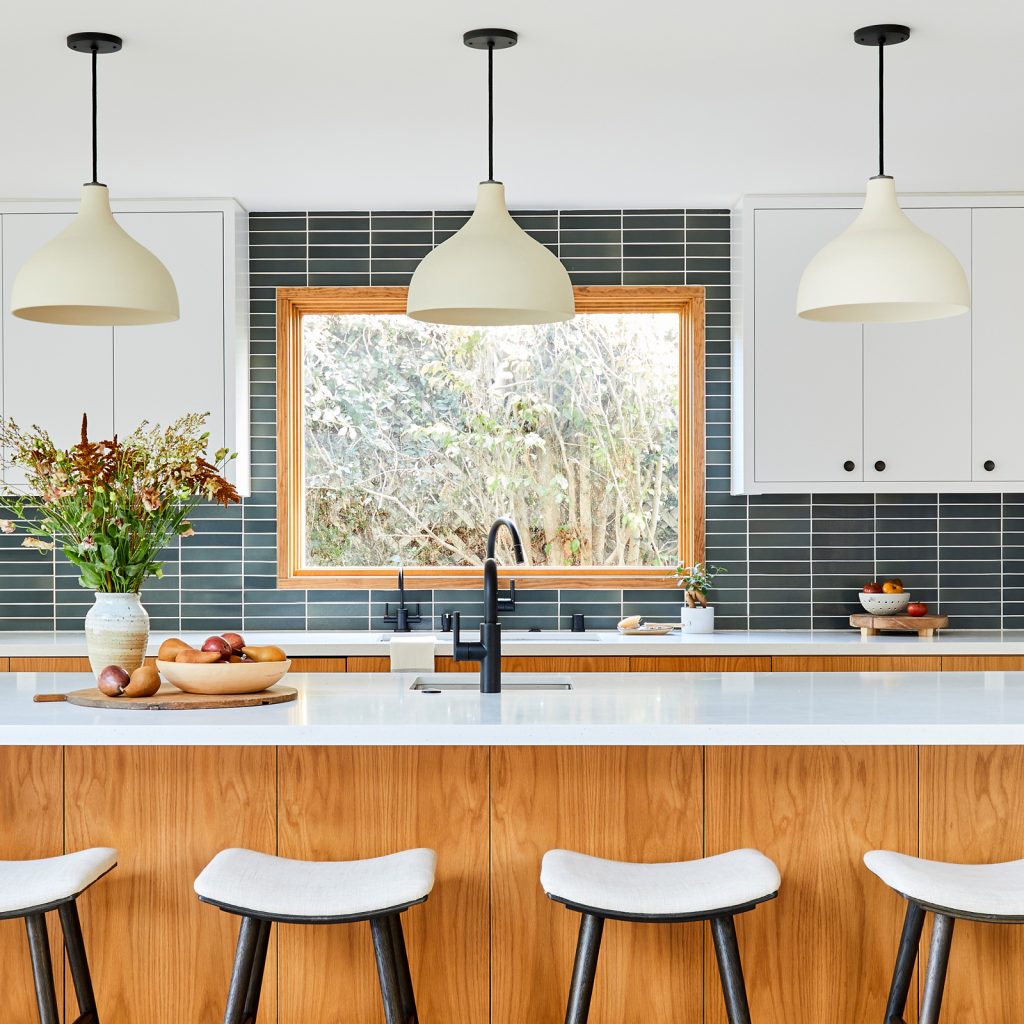
Scandinavian cuisine is not just about the food, but also the way it is presented. The minimalistic and elegant presentation of Scandinavian dishes enhances the visual appeal of the food and adds an extra layer of sophistication to the dining experience. The use of simple and natural materials, such as wood and stone, in the plating and serving of the food is a hallmark of the Scandinavian kitchen art. The concept of “less is more” is evident in the design of Scandinavian kitchenware, which is often functional, stylish, and durable.
The Role of Colors
Colors play a significant role in the Scandinavian kitchen art. The contrast of white plates and bowls with colorful ingredients adds vibrancy and freshness to the dish. The use of earthy tones, such as brown, green, and gray, in the plating and presentation of the food reflects the natural landscape of the Nordic region. The use of Scandinavian table linens, such as tablecloths and napkins, also adds a touch of elegance and style to the dining table.