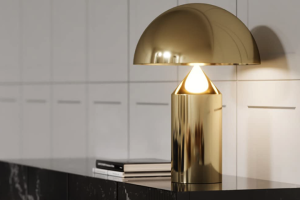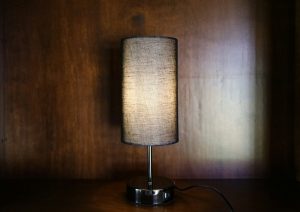
A slim profile ribbed glass reading lamp is a smart choice for modern workspace lighting because it offers focused, glare-free illumination crucial for long hours at a desk, while its slender design and textured glass complement contemporary aesthetics without cluttering your space. It’s about getting the light you need exactly where you need it, with a touch of understated style.
Why a Slim Profile Matters for Your Workspace
In today’s workspaces, whether it’s a dedicated home office or a compact corner of a living area, space is often at a premium. A bulky lamp can quickly eat up valuable real estate, making a desk feel cramped and disorganized. This is where the “slim profile” aspect of a reading lamp becomes particularly significant. It’s not just about aesthetics; it’s about practical functionality and maintaining an efficient, uncluttered environment.
Maximizing Desk Space and Minimizing Clutter
Think about the typical items on a modern desk: a laptop, an external monitor, perhaps a docking station, a phone, a notebook, and a coffee mug. Add a chunky lamp to that mix, and suddenly you’re shuffling things around just to find room. A slim profile lamp, by design, takes up minimal surface area. This allows you to place it strategically without sacrificing space for essential work tools or personal items. It can slide neatly between a monitor and a wall, or tuck into a corner, freeing up the central work zone. This spatial efficiency directly contributes to a less cluttered visual landscape, which can, in turn, reduce mental clutter and improve focus. When your workspace feels open and organized, it’s easier to concentrate on the task at hand rather than being distracted by a sense of disarray.
Seamless Integration with Modern Aesthetics
Modern design principles often emphasize clean lines, minimalism, and functionality. A slim profile lamp aligns perfectly with this aesthetic. It doesn’t shout for attention but rather blends harmoniously into the background, providing its essential service without becoming a focal point itself. This subtlety is key in contemporary interiors where every element is often chosen for its intentionality and contribution to the overall scheme. A sleek, unobtrusive lamp complements minimalist furniture, technology, and decor, creating a cohesive and sophisticated look. It’s about adding a necessary utility in a way that enhances, rather than detracts from, the carefully curated environment of a modern workspace. This integration ensures that the lamp feels like an organic part of the desk setup, rather than an afterthought.
The Distinctive Appeal of Ribbed Glass
While the slim profile handles the spatial efficiency, the “ribbed glass” element is where the lamp truly sets itself apart in terms of both light quality and visual texture. This isn’t just a stylistic choice; it plays a practical role in how light is diffused and perceived, creating an experience distinct from clear or frosted glass options.
Unique Light Diffusion and Reduced Glare
The primary functional benefit of ribbed glass lies in its ability to diffuse light in a unique way. Instead of a direct, harsh beam that can often create distracting hotspots and glare, the parallel ridges and grooves in the glass scatter the light. This scattering effect breaks up the light rays, spreading them more evenly across a surface. For reading and other detail-oriented tasks, this even distribution is invaluable. It reduces harsh shadows and minimizes the direct glare that can cause eye strain, especially during prolonged use. Imagine trying to read fine print under a bare bulb versus a lamp with a diffuser – the ribbed glass acts as a sophisticated diffuser, softening the output without significantly diminishing the brightness. This results in a more comfortable and less fatiguing visual experience, which is paramount in a workspace where eyes are constantly engaged. The light feels warmer and more inviting, making the workspace more conducive to extended periods of concentration.
Adding Visual Texture and Sophistication
Beyond its practical lighting benefits, ribbed glass introduces an appealing tactile and visual texture. In many modern workspaces, surfaces tend to be smooth and flat – desks, monitors, keyboards, and walls. The addition of ribbed glass provides a subtle contrast, breaking up this uniformity with an element of depth and interest. When light hits the ribbed surface, it creates dynamic patterns of light and shadow on the glass itself, giving the lamp a sculptural quality even when turned off. This texture adds a layer of sophistication and bespoke craftsmanship that elevates the lamp beyond a mere utility item. It’s a design detail that speaks to thoughtful material selection, enhancing the overall aesthetic of the workspace without being overly ornate. This tactile appeal can also contribute to a sense of comfort and refinement in the environment, making the workspace feel more personal and less sterile.
Tailored Illumination for Reading and Tasks
A reading lamp, by its very definition, needs to provide specific types of illumination. For a modern workspace, this means more than just turning on a light. It requires focused, adjustable, and comfortable lighting that supports various visual tasks and promotes well-being during long working hours.
Focused Light for Detailed Work
The primary purpose of a reading lamp is to deliver focused light precisely where it’s needed. For tasks like reading documents, reviewing blueprints, sketching, or even detailed computer work, a broad ambient light isn’t enough. A well-designed slim profile ribbed glass lamp typically directs its light downward and forward, illuminating the immediate work area without spilling excessively into the rest of the room. This focused beam ensures that the page or screen you’re working on is brightly and evenly lit, making it easier to discern details and reducing the effort your eyes need to expend. The ribbed glass, while diffusing the light, still maintains this directional quality, preventing harsh bright spots directly under the bulb while ensuring the illuminated area remains clear and crisp. This precision lighting is crucial for maintaining productivity and accuracy, especially when dealing with fine print or intricate tasks. It acts like a spotlight on your work, creating a zone of clarity.
Mitigating Eye Strain and Improving Comfort
One of the biggest culprits of workplace fatigue is eye strain, often exacerbated by poor lighting. Insufficient light forces the eyes to work harder to perceive details, leading to squinting, headaches, and general discomfort. Conversely, excessive glare or uneven lighting can also be problematic. The combination of focused illumination and diffused light from ribbed glass actively works to mitigate these issues. By providing ample, yet softened, light directly on your task, it reduces the contrast between your work and the surrounding environment, a common cause of eye fatigue. The absence of harsh glare means your pupils don’t have to constantly adjust, which is taxing over time. This creates a more comfortable visual environment, allowing you to work for longer periods without the typical symptoms of eye strain. It’s about creating a harmonious visual field where your eyes can relax while still being fully engaged.
Adjustable Features for Optimal Positioning
While the fixed design of some lamps is fine for general use, a truly effective reading lamp for a workspace often incorporates adjustable features. A slim profile lamp can include a flexible gooseneck, an articulating arm, or a swiveling head. These features allow you to precisely direct the light exactly where you need it, adapting to different tasks or even different postures. For instance, you might need the light closer for reading a book, but slightly further away and angled differently when working on a laptop. Adjustability ensures that the light is always optimized for your current activity, preventing shadows caused by your own hand or head, and minimizing reflections on screens. This level of customization makes the lamp a truly versatile tool, rather than a static fixture, ensuring that your lighting environment is always precisely tailored to your needs.
Integrating the Lamp into Your Modern Workspace
Choosing the right lamp is only the first step; effectively integrating it into your workspace is key to unlocking its full potential. This goes beyond simply placing it on a desk and involves considering power, placement, and how it complements your existing setup.
Strategic Placement for Maximum Impact
The slim profile of these lamps opens up more placement possibilities compared to bulkier alternatives. Consider the primary function: where do you need the light most?
- Next to your monitor: If you frequently refer to physical documents while working on a computer, placing the lamp beside your primary screen can illuminate your notes without creating glare on the monitor itself.
- Behind your monitor: For ambient, diffused task lighting that helps reduce eye strain from screen brightness, some slim lamps can fit neatly behind a monitor, casting a soft glow over the desk area.
- In a corner: If your workspace is small, tucking the lamp into a less-used corner of the desk can provide essential light without encroaching on your main work zone.
- On a small side table: For a more relaxed reading nook adjacent to your main desk, a slim lamp can perch unobtrusively on a small table, ready for focused use.
The key is to avoid placing it directly in front of your eyes or where it might cast shadows over your dominant hand, ensuring the light serves its purpose effectively without becoming an obstruction.
Powering and Connectivity Considerations
Modern workspaces are often wired with multiple devices, and the lamp needs to fit seamlessly into this ecosystem.
- USB-C Power: Many slim profile lamps now offer USB-C power, which is incredibly convenient. If your laptop, monitor, or power strip has a USB-C port, you might not even need an additional wall adapter, simplifying cable management. This also makes the lamp more portable if you move between different workspaces.
- Standard Wall Plug: For traditional setups, a standard wall plug is common. Look for lamps with longer cords if outlets aren’t immediately adjacent to your desk, or plan to use a discreet power strip with surge protection.
- Integrated Smart Features: Some lamps might offer smart connectivity (Wi-Fi or Bluetooth) allowing control via an app or voice assistant. While not strictly necessary for a reading lamp, these features can add convenience, such as scheduling turn-on/off times or adjusting brightness remotely.
- Cord Management: Regardless of the power type, consider how the cord will be managed. Slim lamps often have slender cords that can be easily tucked away with cable clips or run along the back of a desk to maintain the clean aesthetic.
Complementing Your Existing Decor and Hardware
The aesthetic integration of the lamp is crucial for a cohesive workspace.
- Material Match: Consider the materials of your desk, chair, and other accessories. A lamp with a metal base might complement a metal-legged desk, while a lamp with a subtle matte finish could blend with contemporary, minimalist furniture. The ribbed glass itself provides a unique texture that usually pairs well with various materials, from wood to laminate to metal.
- Color Palette: While many slim lamps come in neutral tones (black, white, silver), ensure the chosen color aligns with your existing palette. A contrasting color can be an intentional design statement, but often, a complementary shade will enhance the serene atmosphere of a workspace.
- Scale and Proportion: The slim profile ensures it won’t overwhelm your desk, but still consider its height relative to your monitor and other elements. It should feel balanced and proportionate, contributing to the visual harmony rather than disrupting it. The goal is for the lamp to feel like a natural, essential part of your workspace, rather than an addition that stands out for the wrong reasons.
Longevity and Sustainability in Design
When investing in a piece of workspace equipment, especially something used daily like a reading lamp, considering its longevity and impact is prudent. Modern design trends increasingly prioritize not just immediate aesthetics but also durable construction and sustainable practices.
Durable Materials and Construction
A truly well-designed slim profile ribbed glass reading lamp isn’t just about looking good; it’s built to last. This means paying attention to the quality of materials and the integrity of its construction.
- High-Quality Metals: Many slim lamps utilize aluminum or steel for their bases and arms. These metals offer excellent durability, resistance to bending or scratching, and contribute to a stable footprint, preventing the lamp from easily tipping over. Look for lamps with solid, weighty bases that indicate good balance.
- Robust Joins and Articulations: If the lamp has adjustable features (like a gooseneck or articulating arm), the quality of the joints is paramount. They should feel firm and hold their position without sagging over time. Plastic components in these areas can be prone to wear and tear, so metal gears or reinforced pivot points are a good indicator of durability.
- Borosilicate or Tempered Glass: While standard glass can be fragile, reputable manufacturers often use borosilicate or tempered glass for ribbed shades. These types of glass are more resistant to thermal shock and impacts, making the ribbed shade more durable in daily use. The ribs themselves can also add structural integrity, making the overall shade less prone to shattering from minor bumps.
- Powder-Coated Finishes: For painted metal components, a powder-coated finish is often preferred over standard paint. It’s more resistant to chips, scratches, and fading, ensuring the lamp maintains its aesthetic appeal even after years of use.
Energy Efficiency and LED Technology
Sustainability in lighting design largely revolves around energy consumption, and modern reading lamps almost exclusively leverage LED technology for good reason.
- Low Power Consumption: LEDs are incredibly energy-efficient, using significantly less electricity than traditional incandescent or even CFL bulbs. This translates to lower electricity bills and a reduced carbon footprint over the lamp’s lifespan. A typical LED reading lamp might consume only 5-10 watts while providing ample illumination.
- Long Lifespan: LEDs boast an exceptionally long operational life, often tens of thousands of hours. This means the bulb inside your lamp could last for 10-20 years with typical daily use, eliminating the need for frequent bulb replacements. This reduces waste and the consumption of resources required for manufacturing new bulbs.
- Minimal Heat Emission: Unlike incandescent bulbs that generate a lot of heat, LEDs operate at much cooler temperatures. This makes the lamp safer to touch, reduces the ambient heat in your workspace, and contributes to the longevity of the lamp’s internal components.
- Dimmability and Color Temperature Control: Many LED-based reading lamps offer dimming capabilities, allowing you to adjust the brightness to suit your task or time of day. Some also offer adjustable color temperature (from warm white to cool white), which can further enhance comfort and productivity, allowing you to select a warmer light for evening relaxation and a cooler, more focused light for daytime tasks. These features not only enhance user experience but also contribute to energy saving by only using the light needed.