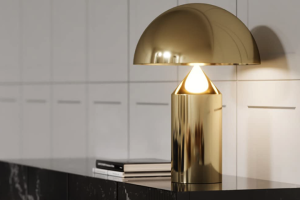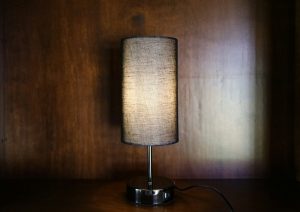

So, you’re looking for a living room lamp that’s not just a pretty face, but can also handle a little spillage or a damp environment? A waterproof opal glass living room lamp is a fantastic option. It offers a soft, diffused light thanks to that lovely opal glass, and the “waterproof” bit means you don’t have to panic if a drink gets knocked over or if your living room has a touch of humidity. It’s a practical choice that doesn’t compromise on style, providing both a warm ambiance and peace of mind.
You might be thinking, “Waterproof in the living room? That seems a bit much.” But hear me out. There are more scenarios than you’d expect where a little water resistance can save you a headache and your hard-earned cash.
The Occasional Spill Catastrophe
Let’s be honest, accidents happen. A spilled glass of water, a knocked-over mug of tea, or even a rambunctious pet can send liquids flying. A regular lamp Dililamp might short circuit, leaving you in the dark and needing a replacement. A waterproof lamp just needs a quick wipe-down.
- Kids and Pets: They’re wonderful, but often chaotic. Their energy levels often lead to spills in unpredictable places.
- Entertaining Guests: A lively gathering can sometimes lead to an accidental knock or spill. A waterproof lamp adds a layer of resilience.
- Proximity to Beverages: If your lamp is on an end table next to where drinks are frequently placed, the risk is inherently higher.
High Humidity and Condensation
Not every living room is a dry, desert-like environment. Some homes, especially older ones, those in humid climates, or even rooms with certain plants, can experience higher levels of humidity. This can cause condensation on surfaces, including electrical components.
- Humid Climates: If you live in a coastal area or a region known for its high humidity, moisture in the air can gradually affect electronics.
- Indoor Plants: A collection of plants can increase the ambient humidity in a room, creating a microclimate that might not be ideal for standard electricals.
- Basement Living Rooms: Basements are notoriously prone to dampness. A waterproof lamp is almost a necessity in such spaces.
Proximity to Outdoor Areas
If your living room has large sliding doors or opens directly onto a patio or balcony, there’s a chance that rain or moisture could occasionally drift in. A waterproof lamp offers protection against these unexpected splashes.
- Open Doors/Windows: During warmer months, you might leave doors and windows open, inviting not just fresh air, but also the possibility of a sudden downpour.
- Adjoining Patios/Balconies: If your living room is directly adjacent to an outdoor space, the risk of moisture ingress is higher.
Opal Glass: The Secret to Perfect Ambiance
Beyond the practical waterproof features, the opal glass itself is a star. It’s not just a pretty material; it plays a crucial role in how the light is distributed and how your living room feels.
Soft, Diffused Glow
Opal glass is specially treated to scatter and diffuse light evenly. Unlike clear glass that can create harsh, direct light, opal glass acts like a natural light filter.
- Reduces Glare: The diffusion process significantly reduces glare, making the light much more comfortable for your eyes, especially when reading or watching TV.
- Even Illumination: Instead of bright spots and dark shadows, you get a consistently lit area, which is ideal for creating a welcoming atmosphere.
- Minimizes Eye Strain: Harsh lighting can lead to eye fatigue. The soft glow from opal glass is much gentler and promotes relaxation.
Enhances Room Aesthetics
The milky, translucent quality of opal glass brings a certain elegance and timelessness to any decor. It’s versatile enough to fit into various design schemes.
- Contemporary Appeal: Its sleek, minimalist look perfectly complements modern and Scandinavian designs.
- Classic Charm: The material itself has a classic, almost vintage feel that can blend seamlessly into more traditional settings.
- Visual Interest: The smooth, polished surface of opal glass adds a subtle texture and visual interest to your lamp, even when it’s not turned on.
Warm and Inviting Atmosphere
The type of light a lamp emits directly influences the mood of a room. Opal glass is excellent at creating a warm and inviting environment.
- Cozy Feel: The soft, dispersed light contributes to a cozy, intimate atmosphere, perfect for unwinding after a long day.
- Reduces Harshness: It takes the edge off brighter light sources, creating a more harmonious lighting scheme when paired with other fixtures.
- Flattering Light: Diffused light is generally more flattering to skin tones and room colors, making everything look a little bit better.
Design Considerations: Style Meets Substance
A waterproof opal glass lamp isn’t just about functionality; it’s also a significant design element. Choosing the right one means balancing its practical benefits with your aesthetic preferences.
Form Factors: Floor, Table, or Pendant?
The style of your lamp will greatly influence its impact and placement within your living room. Each form factor has its own advantages and considerations.
- Floor Lamps:
- Tall and Striking: A floor lamp can be a dramatic statement piece, drawing the eye upwards.
- Task Lighting: Great for reading nooks or illuminating a larger area.
- Space Saver (Vertically): Takes up minimal floor space while providing significant light.
- Placement: Consider corners, next to sofas, or behind accent chairs.
- Table Lamps:
- Accent Lighting: Perfect for adding pools of light on side tables, consoles, or bookshelves.
- Versatile Placement: Easily moved around to adjust the lighting as needed.
- Adds Warmth: Creates a more intimate and cozy feel when placed strategically.
- Size Matters: Ensure the lamp’s scale is appropriate for the table it sits on.
- Pendant Lamps (Suspended from Ceiling):
- Central Illumination: Can serve as the primary light source for the room.
- Architectural Feature: A well-chosen pendant can be a stunning focal point.
- Defined Zones: Great for highlighting a specific area, like over a coffee table.
- Installation: Requires professional installation and ceiling wiring, generally not as “portable.”
Base Materials: Beyond the Glass
While the opal glass is the star, the material of the lamp’s base and frame plays a huge role in its overall look and durability.
- Metal Finishes:
- Brushed Brass/Gold: Adds warmth, luxury, and a touch of vintage elegance.
- Matte Black: Modern, industrial, and highly versatile. Provides strong contrast.
- Polished Chrome/Nickel: Sleek, contemporary, and reflective, good for brightening a space.
- Bronze: Earthy, rustic, and sophisticated, often with a more traditional appeal.
- Wood:
- Natural Oak/Walnut: Brings organic warmth, texture, and a touch of Scandinavian or mid-century modern style.
- Painted Wood: Can offer a pop of color or a more subdued, farmhouse feel depending on the finish.
- Stone/Concrete:
- Marble/Travertine: Luxurious, heavy, and adds a natural, high-end feel.
- Concrete: Industrial, minimalist, and very sturdy.
Shape and Silhouettes: Making a Statement
The overall shape of the lamp, particularly the glass shade, can drastically alter its aesthetic and how it interacts with its surroundings.
- Spherical/Orb:
- Soft and Harmonious: Creates a balanced, gentle aesthetic.
- Modern and Minimalist: A very popular choice for contemporary designs.
- Even Light Distribution: Naturally spreads light in all directions.
- Cylindrical:
- Streamlined and Clean: Offers a more linear, structured look.
- Good for Task Lighting: Can direct light more effectively downwards or upwards depending on the design.
- Space-Saving: Can fit into tighter spots due to its narrower profile.
- Abstract/Geometric:
- Artistic and Unique: Acts as a sculptural element, a conversation starter.
- Modern Edge: Often found in more avant-garde or contemporary designs.
- Can Be a Focal Point: Demands attention due to its unusual form.
Understanding the “Waterproof” Rating: IP Codes Explained
When something is marketed as “waterproof,” it’s essential to know what that actually means. This is where IP codes come in handy. They’re not just jargon; they tell you exactly what level of protection you’re getting.
What is an IP Code?
IP stands for “Ingress Protection” or “International Protection.” It’s a standard that defines the sealing effectiveness of electrical enclosures against the intrusion of foreign bodies (like dirt and dust) and moisture.
- Format: An IP code is always written as “IP” followed by two digits, for example, IP44 or IP65.
- First Digit (Solids): Indicates protection against solid objects (dust, fingers, tools). Ranges from 0 (no protection) to 6 (dust-tight).
- Second Digit (Liquids): Indicates protection against liquids (water, sprays, immersion). Ranges from 0 (no protection) to 9K (high-pressure, high-temperature jets).
Common IP Ratings for Living Room Use
For a living room lamp, you probably don’t need something that can survive deep-sea diving, but a moderate IP rating offers significant practical benefits.
- IP44: Splash-Proof
- Protection: Protected against solid objects larger than 1mm (like wires) and protected against splashing water from any direction.
- Why it’s Good: This is often sufficient for a living room. It means if someone knocks over a glass of water near it, or if there’s high humidity, the lamp will be fine. It can handle accidental splashes, not direct jets or immersion.
- Practical Example: You might see this rating on bathroom lights or outdoor lights under an awning.
- IP54: Dust & Splash-Proof
- Protection: Partially protected against dust ingress (enough to prevent interference with operation) and protected against splashing water from any direction.
- Why it’s Better: Adds a layer of protection against dust build-up, which can be an issue in any room, potentially affecting electronics over time. Still excellent for splashes.
- IP65: Dust-Tight & Jet-Proof
- Protection: Fully protected against dust ingress (dust-tight) and protected against low-pressure water jets from any direction.
- Why it’s Overkill (Usually): While robust, this level of protection is generally more suited for outdoor applications where direct rain or powerful cleaning might occur. For most living rooms, IP44 or IP54 is perfectly adequate.
Maintenance and Care: Keeping Your Lamp Pristine
Even with its waterproof features, a little regular care will ensure your opal glass lamp continues to look fantastic and function flawlessly for years to come.
Cleaning the Opal Glass Shade
Opal glass is relatively easy to clean, but it’s important to use the right approach to avoid streaks or damage.
- Regular Dusting: A soft, dry microfiber cloth is usually all you need for daily or weekly dusting.
- For Smudges/Fingerprints:
- Mild Soap Solution: Mix a few drops of mild dish soap with warm water.
- Damp Cloth: Dip a soft cloth into the solution, wring it out thoroughly so it’s just damp, and gently wipe the glass.
- Dry Immediately: Follow with a clean, dry microfiber cloth to prevent water spots and ensure a streak-free finish.
- Avoid Harsh Chemicals: Abrasive cleaners, ammonia-based products (like window cleaner), or strong chemical sprays can damage the finish or leave residue.
- Always Turn Off/Unplug: Before cleaning any electrical fixture, always turn it off and unplug it from the wall for safety.
Caring for the Base and Frame
The base material will dictate the best cleaning method.
- Metal Finishes (Brass, Black, Chrome):
- Dry Dusting: Use a soft, dry cloth.
- Gentle Wipe: For smudges, a slightly damp cloth with water (no soap) followed by immediate drying is usually sufficient.
- Avoid Polishes: Unless specifically designed for your metal and recommended by the manufacturer, avoid metal polishes as they can sometimes remove protective coatings.
- Wood Bases:
- Dry Dusting: Use a soft, dry cloth.
- Wood Cleaner: For deeper cleaning, use a wood-specific cleaner or a slightly damp cloth, then dry immediately.
- Avoid Excess Moisture: Wood and water don’t mix well over time, even with a sealed finish.
- Stone/Concrete Bases:
- Damp Cloth: Wipe with a damp cloth and mild soap if necessary, then rinse with a clean damp cloth and dry.
- Sealers: Some stone or concrete might benefit from periodic sealing, check manufacturer guidelines.
Bulb Replacement and Electrical Checks
Even waterproof lamps still need bulb replacements, and occasional checks can prevent issues.
- Matching Bulb Type: Always use the bulb type and wattage recommended by the manufacturer. Using an incorrect bulb can lead to overheating or damage.
- LED Benefits: Consider LED bulbs for their energy efficiency, longer lifespan, and lower heat output. They are also available in various color temperatures to further customize your ambiance.
- Regular Wire Inspection: Periodically check the visible parts of the cord and plug for any fraying, cracks, or damage. If you notice anything, have it checked by a qualified electrician.
- Gasket/Seal Integrity: For truly waterproof lamps, there might be rubber gaskets or seals where components meet. Ensure these are not cracked or deteriorated, as they are crucial for maintaining the IP rating.